



Explosion-proof Emergency Lights
Product Overview & Application
Explosion-proof emergency lights provide continuous safety illumination in hazardous environments where flammable gases, vapors, liquids, or combustible dust create high explosion risks. Built for heavy-duty industrial safety applications, these systems combine robust explosion-proof enclosures, high-efficiency LED technology, and dependable backup power solutions to maintain visibility during sudden power failures and critical emergency evacuations.
Commonly installed in oil and gas refineries, chemical processing plants, offshore drilling platforms, underground mining operations, and fuel storage terminals, these systems safeguard personnel and maintain strict operational compliance.


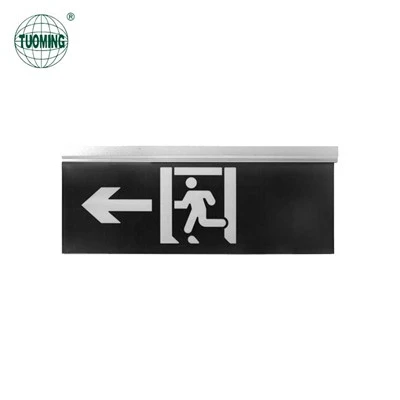
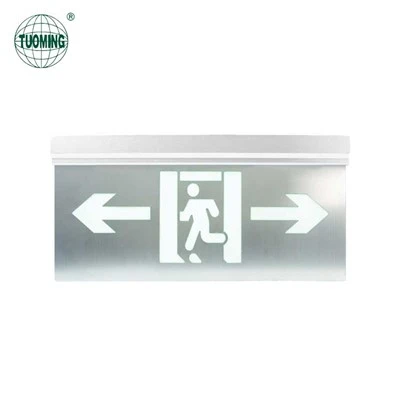
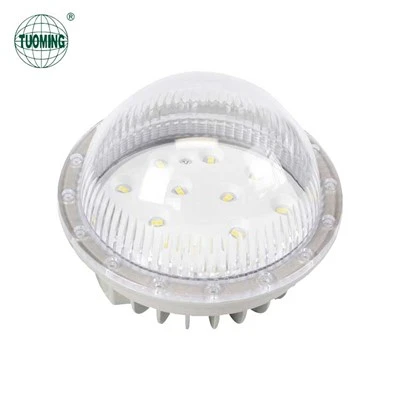
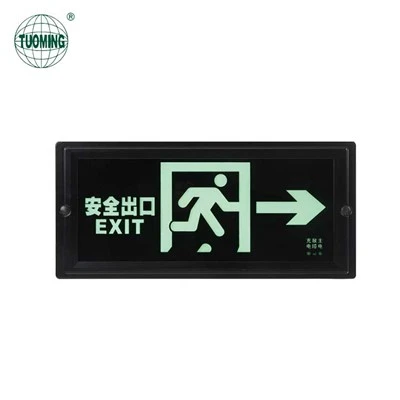
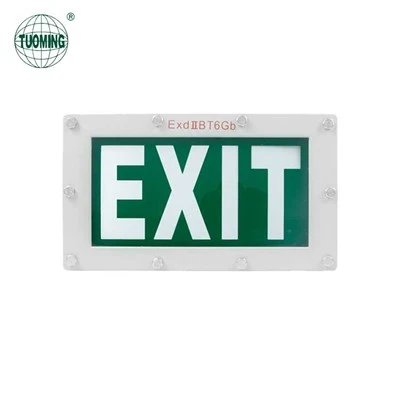
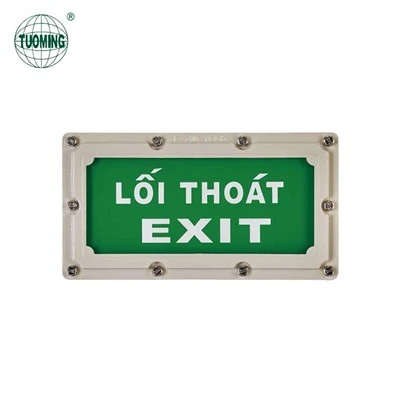
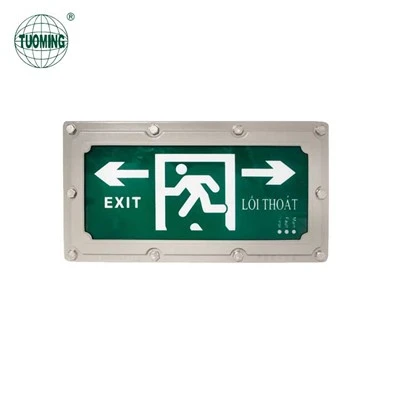
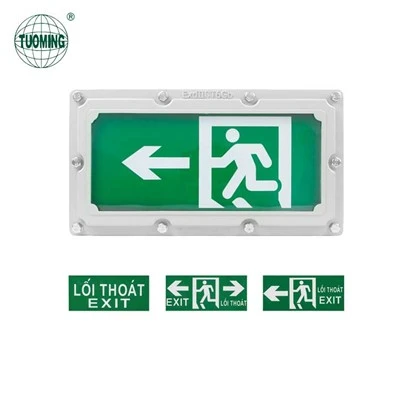
Designed for locations where standard emergency lighting poses ignition risks, explosion-proof systems isolate internal electrical components within heavy-duty housings.
Automatic Activation: Instantly switches to backup power upon detecting a main power supply interruption.
Hazardous Area Protection: Prevents internal sparks, arcs, or excessive surface temperatures from igniting surrounding explosive atmospheres.
Long-Life Illumination
Utilizes durable LED light sources for consistent visibility and safety guidance.
Backup Battery Operation
Ensures uninterrupted emergency lighting during extended grid failures.
Industrial Mechanical Protection
Withstands harsh physical impacts, high humidity, and corrosive substances.
Key Product Features
Explosion-Proof Construction
Based on field feedback from offshore platforms and heavy industrial sites, robust mechanical housing design is critical for long-endurance reliability. Key structural elements include:
Flame-resistant enclosure structures engineered to safely contain internal pressures
Protected LED modules housed behind high-impact tempered glass
Precision-sealed cable entry systems preventing gas or dust ingress
Controlled heat dissipation to maintain safe surface temperature classes
Industrial-grade corrosion resistance for aggressive operating environments
LED Emergency Lighting Technology
Modern LED systems deliver superior performance over traditional alternatives:
Lower overall energy consumption during normal and emergency operating modes
Extended operating life that significantly reduces maintenance and replacement frequency
Stable, high-lumen illumination output for smoke-filled or dark corridors
Instant-on capability with zero warm-up period required
Emergency Backup Function
During normal operating conditions, the unit functions as standard industrial illumination. Upon power failure:
Main power supply interruption is detected instantly by internal sensors
The emergency circuit switches automatically without manual intervention
Integrated backup batteries supply stable power to the LED array
Continuous emergency illumination remains active for safe evacuation and shutdown operations

Technical Specifications
|
Parameter |
Specification Details |
|
Light Source |
High-efficiency LED array |
|
Input Voltage |
AC and DC multi-voltage options available (e.g., 110V, 220V, 240V) |
|
Emergency Duration |
Configurable via internal battery capacity (typically 90 to 180 minutes) |
|
Battery Type |
Rechargeable lithium battery or specified industrial backup systems |
|
Protection Rating |
IP65 or IP66 depending on enclosure design |
|
Housing Material |
Heavy-duty aluminum alloy or corrosion-resistant metal housing |
|
Mounting Options |
Wall mounting, ceiling mounting, or pendant bracket configurations |
|
Operating Temperature |
Engineered for extreme industrial ambient temperatures |
|
Compliance & Certifications |
Certified under ATEX, IECEx, UL 844 (NEC Class/Division), and TÜV-aligned third-party testing standards |
|
Product Warranty |
Comprehensive 3 to 5-year industrial warranty |
Primary Application Industries
Oil and Gas Facilities
Refineries, gas processing plants, fuel terminals, and pipeline compressor stations requiring high corrosion resistance and continuous reliability.
Chemical Processing Plants
Chemical storage tank farms, production lines, and processing floors demanding strict chemical resistance and stable performance.
Offshore and Marine Facilities
Offshore drilling platforms, marine equipment rooms, and shipboard hazardous areas requiring salt-spray resistance and mechanical durability.
Mining Operations
Underground tunnels, mineral processing facilities, and maintenance workshops requiring robust dust explosion protection and impact resistance.
4-Step Selection Process
Confirm Hazardous Area Classification
Determine whether the hazard involves gases or dust, identify the specific Zone or Division, and check required regional standards (e.g., ATEX/IECEx vs. NEC).
Check Lighting Requirements
Evaluate the exact installation location, required illumination lux levels, coverage span, and mandatory emergency operating duration.
Confirm Electrical Compatibility
Review input voltages, frequency, wiring methods, and control system requirements.
Verify Environmental Conditions
Consider ambient temperature ranges, humidity levels, presence of corrosive chemicals, and outdoor weather exposure.
Quality Control and Safety Testing
Reliable manufacturing processes incorporate strict testing protocols to ensure complete field safety:
Housing Production
Precision machining, surface anodizing/coating, and structural integrity checks.
Electrical Assembly
Individual LED module testing, battery performance cycle tests, and internal circuit inspections.
Safety Verification
Insulation resistance testing, thermal aging tests, automated emergency switching tests, and waterproof ingress verification backed by SGS/TÜV-aligned lab validation.
Frequently Asked Questions