



Emergency Lighting
Emergency Lighting Solutions
Reliable Emergency Illumination for Safe Evacuation and Building Safety Systems
Emergency Lighting provides automatic illumination when the normal power supply fails, helping maintain visibility in evacuation routes, emergency exits, public areas, and critical facilities.
Engineered for commercial, industrial, and public buildings, our emergency lighting systems combine high-efficiency LED light sources, rechargeable batteries, advanced charging circuits, and reliable control components to ensure uninterrupted operation during power failures.
Our comprehensive product line includes emergency exit lights, emergency bulkhead lights, emergency downlights, twin spot emergency lights, and integrated emergency lighting units designed for diverse installation environments.

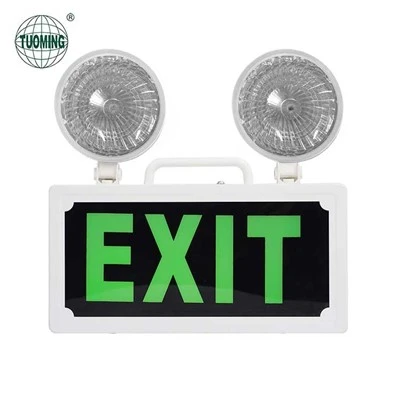
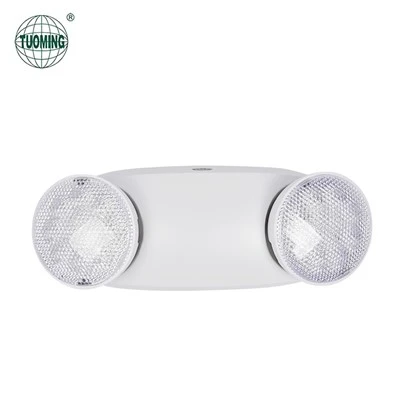


Emergency Lighting Types
Self-contained Emergency Lighting
Self-contained emergency lights integrate the battery, charger, and control unit inside each individual luminaire.
Common Applications: Offices, retail stores, hotels, schools, and small commercial buildings.
Advantages: Simple installation, independent operation, and easy maintenance or component replacement.
Emergency Exit Lights
Emergency exit lights combine high-visibility illumination with clear directional exit markings to safely guide occupants toward evacuation routes.
Common Applications: Stairways, corridors, public buildings, and commercial facilities.
Emergency Bulkhead Lights
Emergency bulkhead lights feature a rugged, durable housing specifically built for areas requiring robust physical and environmental protection.
Common Applications: Industrial plants, warehouses, parking structures, and service areas.
Emergency Downlights
Emergency downlights provide discreet, ceiling-mounted emergency illumination while preserving the aesthetic appeal of normal architectural lighting systems.
Suitable For: Modern offices, luxury hotels, shopping centers, and high-end commercial interiors.
Key Specifications for Emergency Lighting Selection
Selecting the correct emergency lighting product requires careful evaluation of technical parameters to match regional safety codes. Below is a detailed technical comparison table to help you identify the right specifications for your project:
|
Technical Parameter |
Options / Types |
Description & Key Benefits |
|
Emergency Duration |
1 Hour / 2 Hours / 3 Hours |
Determines backup operating time; longer durations are typically required for large public buildings. |
|
Battery Technology |
Ni-Cd Battery Lithium Battery |
Stable performance, temperature resistance, long history. Higher energy density, lighter weight, longer lifespan. |
|
Operation Mode |
Maintained Non-maintained |
Remains illuminated during normal operation and power failure (Retail, public areas). Remains off normally, activates only during power interruption (Escape routes, industrial facilities). |
|
Mounting Options |
Surface, Wall, Ceiling, Recessed |
Flexible configurations to match building structures, interior design, and electrical layouts. |
|
Input Voltage |
110V–240V AC (Customizable) |
Adaptable to regional electrical grids worldwide. |
Emergency Lighting Applications & Global Standards
Commercial Buildings
Installed in office buildings, hotels, shopping centers, and restaurants. Designed to provide clear evacuation guidance, reliable backup operation, and seamless aesthetic integration.
Industrial Facilities
Factories and warehouses rely on heavy-duty emergency lighting to ensure worker safety, facilitate emergency response, and illuminate critical equipment areas and exit routes.
Public Facilities
Essential for schools, hospitals, airports, and government buildings, where strict regulatory compliance and long-term durability are mandatory.
Manufacturing and Quality Control
Reliable emergency lighting performance depends on strict component selection, precise assembly, and rigorous testing procedures.
LED Component Inspection
Verification of light output consistency, electrical characteristics, and operating stability.
Battery Testing
Comprehensive checks on charging performance, backup duration, and discharge characteristics.
Electrical Safety Testing
Rigorous evaluation of input voltage stability, charging circuit performance, and built-in protection functions.
Aging Test
Continuous operation under stress conditions to identify potential component failures, thermal issues, or performance variations.

For global distributors, electrical wholesalers, and project suppliers, we offer flexible OEM and custom manufacturing services:
- Product appearance adjustments and housing color matching
- Custom logo printing and laser branding
- Tailored packaging design for retail or wholesale distribution
- Flexible battery configuration (Ni-Cd vs. Lithium)
- Special installation accessories and custom product labeling
Customization requirements are evaluated based on target market regulations, minimum order quantities (MOQ), and specific project testing needs.
Frequently Asked Questions