

Hey there! As a supplier in the commercial industrial lighting game, I've seen firsthand how crucial it is to strike the right balance between energy efficiency and lighting quality. It's like walking a tightrope, but with the right approach, you can achieve both without sacrificing one for the other.
Let's start by understanding why energy efficiency matters in commercial industrial lighting. In today's world, where sustainability is a hot topic, businesses are constantly looking for ways to reduce their carbon footprint and cut down on energy costs. Lighting accounts for a significant portion of a building's energy consumption, so optimizing energy efficiency in lighting systems can lead to substantial savings in the long run.
One of the most effective ways to improve energy efficiency is by switching to LED lighting. LEDs are known for their low energy consumption, long lifespan, and high luminous efficacy. They use up to 80% less energy than traditional incandescent bulbs and can last up to 25 times longer. This means fewer replacements and lower maintenance costs, making them a cost-effective choice for commercial industrial applications.
But energy efficiency isn't the only factor to consider. Lighting quality is equally important, especially in commercial industrial settings where proper illumination is essential for safety, productivity, and comfort. Good lighting quality can enhance visibility, reduce eye strain, and create a more pleasant working environment.
When it comes to lighting quality, there are several factors to consider, such as color temperature, color rendering index (CRI), and illuminance levels. Color temperature refers to the perceived warmth or coolness of the light, measured in Kelvin (K). A lower color temperature (around 2700K - 3000K) produces a warm, yellowish light, while a higher color temperature (around 5000K - 6500K) produces a cool, bluish light. The choice of color temperature depends on the specific application and the desired atmosphere.
The color rendering index (CRI) measures how accurately a light source renders colors compared to natural light. A CRI of 100 is considered perfect, meaning the light source accurately renders all colors. In commercial industrial settings, a CRI of 80 or higher is generally recommended to ensure accurate color perception.
Illuminance levels refer to the amount of light falling on a surface, measured in lux. Different areas in a commercial industrial building require different illuminance levels depending on the task being performed. For example, areas where detailed work is done, such as assembly lines or inspection stations, require higher illuminance levels than general circulation areas.

So, how can we balance energy efficiency and lighting quality in commercial industrial lighting? Here are some tips:
1. Conduct a Lighting Audit
Before making any changes to your lighting system, it's important to conduct a lighting audit to assess your current lighting situation. A lighting audit involves measuring the illuminance levels, color temperature, and CRI in different areas of your building, as well as identifying any areas where lighting can be improved. This will help you determine the most effective lighting solutions for your specific needs.
2. Choose the Right Lighting Fixtures
When selecting lighting fixtures, look for those that are energy-efficient and provide high-quality light. LED lighting fixtures are a great choice, as they offer both energy efficiency and excellent lighting quality. Consider factors such as the fixture's luminous efficacy, color temperature, CRI, and beam angle when making your selection.
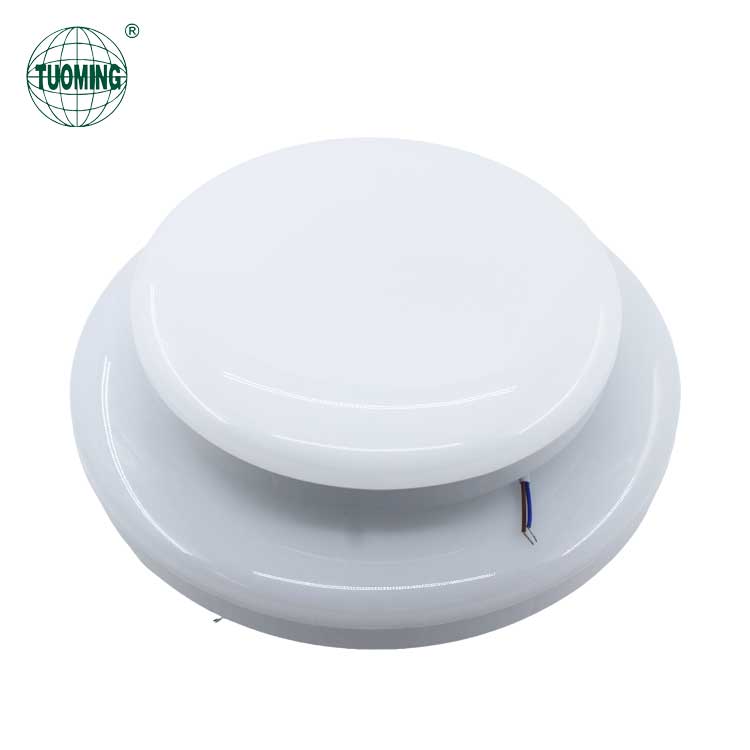
For example, if you're looking for a large round LED ceiling light for your commercial space, check out our Large Round Led Ceiling Light. It provides uniform illumination and is energy-efficient, making it a great choice for large open areas.
3. Use Lighting Controls
Lighting controls, such as occupancy sensors, daylight sensors, and dimmers, can help you optimize energy efficiency by automatically adjusting the lighting levels based on the presence of people and the amount of natural light available. For example, occupancy sensors can turn off the lights when a room is unoccupied, while daylight sensors can adjust the artificial lighting levels to complement the natural light.
4. Consider Zoning
Zoning your lighting system allows you to control the lighting in different areas of your building independently. This can help you save energy by only lighting the areas that are in use. For example, you can divide your building into different zones based on the type of activity taking place, such as offices, warehouses, and production areas, and control the lighting in each zone separately.
5. Maintain Your Lighting System
Regular maintenance of your lighting system is essential to ensure optimal performance and energy efficiency. This includes cleaning the lighting fixtures, replacing any faulty bulbs or components, and checking the wiring and connections. By keeping your lighting system in good condition, you can extend its lifespan and reduce energy consumption.
In addition to these tips, it's also important to stay up-to-date with the latest advancements in lighting technology. The lighting industry is constantly evolving, and new products and technologies are being developed all the time. By staying informed, you can take advantage of the latest innovations to improve the energy efficiency and lighting quality of your commercial industrial lighting system.
As a commercial industrial lighting supplier, we're committed to helping our customers achieve the perfect balance between energy efficiency and lighting quality. We offer a wide range of high-quality LED lighting products, including Industrial Led Ceiling Lights and Led Ceiling Panel Lights for Home, that are designed to meet the specific needs of commercial industrial applications.
If you're interested in learning more about how we can help you improve the energy efficiency and lighting quality of your commercial industrial lighting system, please don't hesitate to contact us. We'd be happy to discuss your requirements and provide you with a customized lighting solution.
References:
- "Energy Efficiency in Lighting: A Guide for Commercial Buildings." U.S. Department of Energy.
- "Lighting Quality: Key Considerations for Commercial and Industrial Spaces." Lighting Research Center.
- "LED Lighting Basics." Energy Star.


