
When it comes to commercial industrial showrooms, lighting is not just about illuminating the space; it's a crucial element that can significantly impact the overall customer experience, product presentation, and business success. As a commercial industrial lighting supplier, I understand the importance of choosing the right lighting solutions. In this blog, I'll share some key considerations to help you make informed decisions for your showroom.

Understanding the Purpose of the Showroom
The first step in choosing the right lighting is to understand the purpose of the showroom. Different types of showrooms have different requirements. For example, a high - end furniture showroom may need soft, warm lighting to create a cozy and inviting atmosphere, while a technology showroom might require bright, white light to showcase the latest gadgets clearly.
If the showroom is mainly for displaying products, the lighting should highlight the features and details of the items. This means using directional lighting to create contrast and draw attention to specific areas. On the other hand, if the showroom is more for events or presentations, general ambient lighting with the option to adjust brightness may be more appropriate.
Evaluating the Space
The size, layout, and architecture of the showroom play a vital role in lighting selection. Larger showrooms may require a combination of general and accent lighting to ensure even illumination. High - ceilinged spaces might benefit from pendant lights or high - bay fixtures to reach the floor effectively.
The color of the walls and floors also affects the lighting. Light - colored surfaces reflect more light, while dark surfaces absorb it. So, in a showroom with dark interiors, you may need more powerful lighting to achieve the desired level of brightness.
Types of Lighting for Commercial Industrial Showrooms
Ambient Lighting
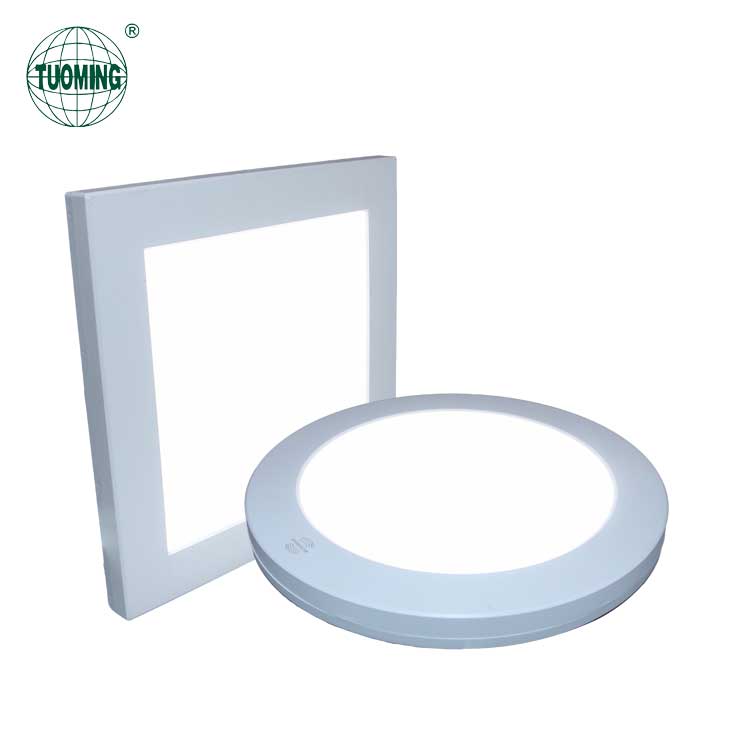
Ambient lighting provides the overall illumination for the showroom. It sets the mood and makes the space comfortable and inviting. In a commercial industrial setting, ambient lighting can be achieved through ceiling - mounted fixtures such as Industrial Led Ceiling Lights. These lights are energy - efficient and can be installed in a grid pattern to provide uniform lighting across the room.
Task Lighting
Task lighting is focused on specific areas where detailed work or product viewing is required. For example, in a showroom where customers need to examine products closely, task lighting can be installed above display cases or workstations. Under - cabinet lights or track lighting are common choices for task lighting.
Accent Lighting
Accent lighting is used to highlight specific features, products, or architectural elements in the showroom. It adds drama and visual interest. Spotlights or wall - washers can be used to create a focal point. For instance, a large, unique product can be illuminated with a spotlight to make it stand out.
Color Temperature and Color Rendering Index (CRI)
Color temperature is measured in Kelvin (K) and affects the mood and perception of the space. A lower color temperature (around 2700K - 3000K) produces a warm, yellow - orange light, which is suitable for creating a cozy and inviting atmosphere. A higher color temperature (around 5000K - 6500K) produces a cool, white light, which is ideal for areas where accurate color representation is important, such as in a clothing or art showroom.
The Color Rendering Index (CRI) measures how accurately a light source can reproduce the colors of objects compared to natural sunlight. A CRI of 90 or above is considered excellent and is recommended for showrooms where color accuracy is crucial. For example, in a jewelry showroom, a high - CRI light will make the gemstones and metals look more vibrant and true - to - life.
Energy Efficiency
In today's world, energy efficiency is a top priority. LED lighting is a popular choice for commercial industrial showrooms due to its low energy consumption and long lifespan. LED lights can significantly reduce electricity bills and maintenance costs. For example, Led Ceiling Panel Lights for Home are not only energy - efficient but also provide a uniform and glare - free light.
Dimming and Control
Dimming capabilities are essential in a commercial industrial showroom. They allow you to adjust the lighting levels according to different needs, such as during events, product launches, or normal business hours. Smart lighting control systems can be installed to automate the lighting based on time of day, occupancy, or specific events. This not only enhances the customer experience but also saves energy.
Consideration of the Products on Display
The type of products being displayed in the showroom should also influence the lighting choice. For example, if you are displaying textiles, a soft, diffused light may be best to show the texture and color accurately. For shiny objects like electronics or jewelry, a more directional light can create a highlight and add a sense of luxury.
Aesthetics and Branding
The lighting in a showroom should also align with the brand image and aesthetics of the business. The lighting fixtures themselves can be a part of the overall design. For example, Large Round Led Ceiling Light can add a modern and stylish touch to the showroom.
Conclusion
Choosing the right lighting for a commercial industrial showroom is a complex but rewarding process. By considering the purpose of the showroom, evaluating the space, understanding different types of lighting, and taking into account factors such as color temperature, energy efficiency, and product display, you can create a well - lit and inviting environment that enhances the customer experience and showcases your products effectively.
If you're in the process of lighting your commercial industrial showroom or looking to upgrade your existing lighting, I'd be more than happy to assist you. Our team of experts can provide personalized solutions based on your specific needs. Contact us to start a discussion about your lighting requirements and take the first step towards a well - lit and successful showroom.
References
- Lighting Handbook: Reference and Application, Illuminating Engineering Society (IES)
- LED Lighting for Commercial and Industrial Applications, U.S. Department of Energy


