

As an emergency power supply provider, I often receive inquiries from customers about the compatibility of our products with various devices. One question that has come up frequently is whether an emergency power supply can be used for a 3D printer. In this blog post, I will delve into this topic, exploring the technical aspects, potential benefits, and limitations of using an emergency power supply for a 3D printer.
Understanding the Basics of 3D Printers and Emergency Power Supplies
Before we can determine whether an emergency power supply can be used for a 3D printer, it's important to understand the basic requirements of both devices.
3D Printers
3D printers are complex machines that require a stable and reliable power source to function properly. They typically operate on alternating current (AC) power, with power requirements ranging from a few hundred watts to over a thousand watts, depending on the size and type of the printer. During the printing process, the printer needs a continuous supply of power to maintain the heating elements, motors, and other components that are essential for creating the 3D object.
Emergency Power Supplies
Emergency power supplies, also known as uninterruptible power supplies (UPS), are designed to provide backup power in the event of a power outage. They come in various sizes and capacities, and can be used to power a wide range of devices, including computers, servers, and small appliances. Emergency power supplies typically use a battery to store energy, which is then converted into AC power when needed.
Can an Emergency Power Supply Be Used for a 3D Printer?
The short answer is yes, an emergency power supply can be used for a 3D printer. However, there are several factors that need to be considered before making this decision.
Power Requirements
The first and most important factor to consider is the power requirements of the 3D printer. You need to ensure that the emergency power supply you choose has enough capacity to meet the power needs of the printer. This includes not only the power required to operate the printer, but also any additional power that may be needed for the heating elements and other components.
To determine the power requirements of your 3D printer, you can refer to the manufacturer's specifications or use a power meter to measure the actual power consumption. Once you have this information, you can choose an emergency power supply that has a sufficient wattage rating.
Runtime
Another important factor to consider is the runtime of the emergency power supply. This refers to the amount of time the power supply can provide backup power before the battery is depleted. The runtime will depend on the capacity of the battery and the power consumption of the 3D printer.
If you are using a 3D printer for a long printing job, you will need an emergency power supply with a longer runtime. You can calculate the estimated runtime by dividing the battery capacity (in watt-hours) by the power consumption of the printer (in watts).
Compatibility
In addition to power requirements and runtime, you also need to ensure that the emergency power supply is compatible with the 3D printer. This includes checking the voltage and frequency requirements of the printer, as well as the type of connector used.
Most 3D printers operate on a standard 120V or 230V AC power supply, so you will need to choose an emergency power supply that can provide the appropriate voltage. You also need to make sure that the power supply has the correct type of connector to plug in the printer.
Benefits of Using an Emergency Power Supply for a 3D Printer
There are several benefits to using an emergency power supply for a 3D printer.
Protection Against Power Outages
One of the main benefits of using an emergency power supply is that it provides protection against power outages. A power outage can cause the 3D printer to stop mid-print, resulting in a failed print and wasted materials. By using an emergency power supply, you can ensure that the printer continues to operate during a power outage, allowing you to complete the print job.
Improved Print Quality
Another benefit of using an emergency power supply is that it can improve the print quality of the 3D printer. A stable and reliable power supply is essential for maintaining the temperature and speed of the printer, which can have a significant impact on the quality of the printed object. By using an emergency power supply, you can ensure that the printer operates at a consistent level, resulting in better print quality.
Increased Productivity
Using an emergency power supply can also increase the productivity of the 3D printer. By providing backup power during a power outage, you can avoid the need to restart the print job from the beginning, which can save time and materials. This can be especially beneficial for businesses that rely on 3D printing for their operations.
Limitations of Using an Emergency Power Supply for a 3D Printer
While there are several benefits to using an emergency power supply for a 3D printer, there are also some limitations that need to be considered.
Cost
One of the main limitations of using an emergency power supply is the cost. Emergency power supplies can be expensive, especially if you need a high-capacity unit to power a large 3D printer. In addition, the cost of the battery replacement can also be significant over time.
Limited Runtime
Another limitation of using an emergency power supply is the limited runtime. Depending on the capacity of the battery, the emergency power supply may only be able to provide backup power for a few hours or less. This can be a problem if you are using a 3D printer for a long printing job.
Maintenance
Emergency power supplies require regular maintenance to ensure that they are functioning properly. This includes checking the battery level, testing the power supply, and replacing the battery when necessary. Failure to perform regular maintenance can result in a reduced runtime or even a complete failure of the power supply.
Conclusion
In conclusion, an emergency power supply can be used for a 3D printer, but it's important to consider the power requirements, runtime, and compatibility of the device before making a decision. While there are several benefits to using an emergency power supply, such as protection against power outages, improved print quality, and increased productivity, there are also some limitations, such as cost, limited runtime, and maintenance requirements.
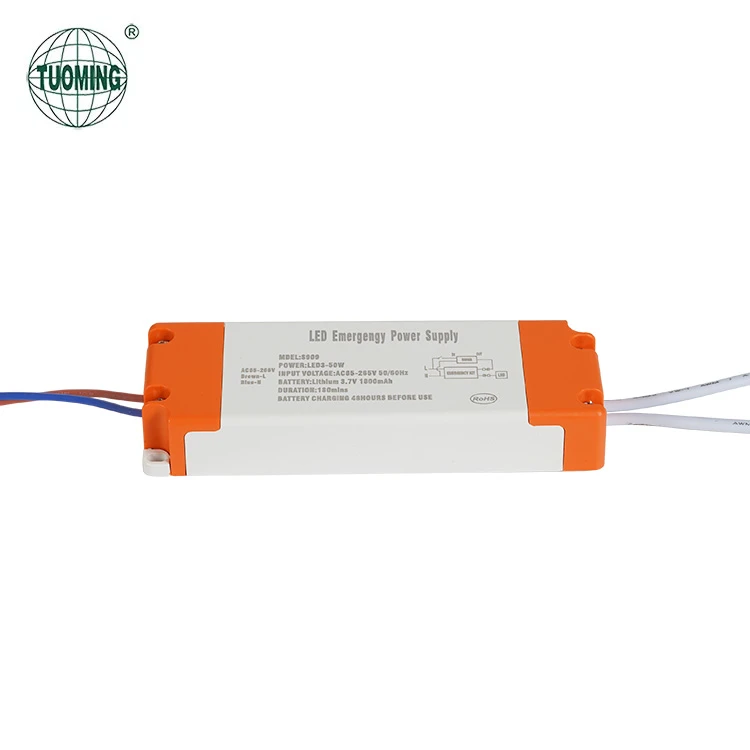
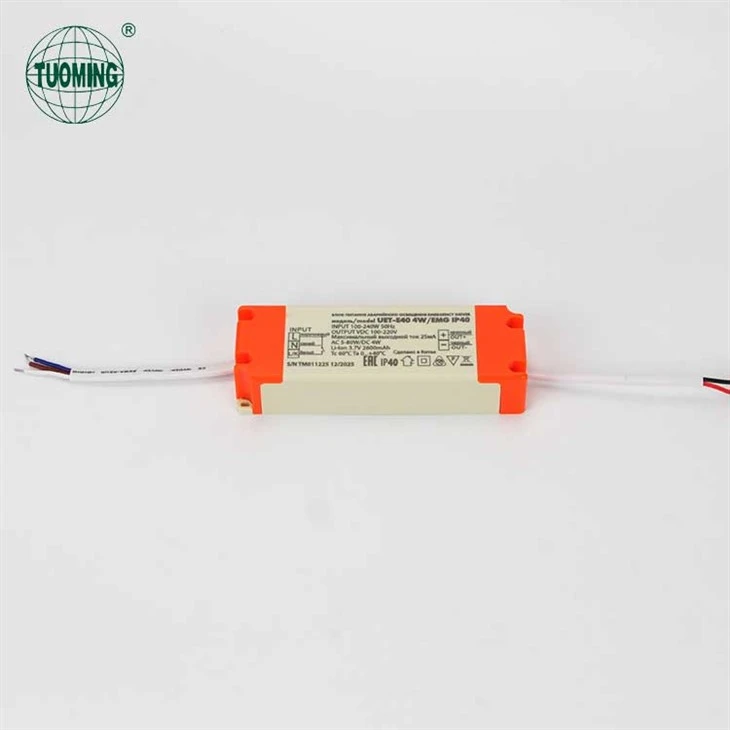
If you are considering using an emergency power supply for your 3D printer, I recommend consulting with a professional to ensure that you choose the right product for your needs. You can also visit our website to learn more about our Emergency Backup Power Supply, Emergency Light Power Supply, and Led Emergency Backup Driver.
If you have any questions or would like to discuss your specific requirements, please feel free to contact us. We are here to help you find the best solution for your 3D printing needs.
References
- Manufacturer's specifications for 3D printers
- Technical documentation for emergency power supplies


