

Hey there! As a supplier of twin head emergency lights, I often get asked if these lights can be connected to a central monitoring system. Well, the short answer is yes, and in this blog, I'll dive into the details of how and why it's a great idea.
The Basics of Twin Head Emergency Lights
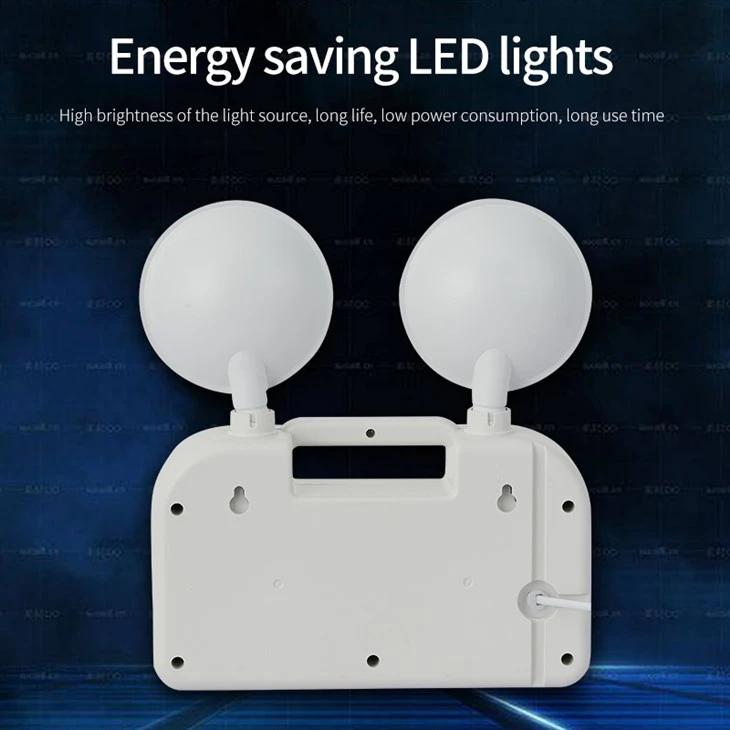
First off, let's talk a bit about twin head emergency lights. These are super handy devices that provide illumination during power outages or emergencies. They come in different shapes and sizes, and they're designed to be reliable and easy to install. For example, our Emergency Lighting Twin Spots are a popular choice. They're compact, yet they pack a punch when it comes to providing sufficient light in an emergency situation.
The twin head design offers a wider coverage area compared to single head lights. This means that you can light up more space with fewer lights, which is not only cost - effective but also more efficient. And if you're looking for a rechargeable option, our Rechargeable Twinhead Emergency Lamp is a great pick. It can be charged during normal operation and is ready to go when the power goes out.

Connecting Twin Head Emergency Lights to a Central Monitoring System
Now, let's get to the main question: Can twin head emergency lights be connected to a central monitoring system? The answer is a resounding yes. Connecting these lights to a central monitoring system offers a whole bunch of benefits.
1. Remote Monitoring
One of the biggest advantages is the ability to monitor the status of the emergency lights remotely. With a central monitoring system, you can check if the lights are working properly, if they're fully charged, or if there are any malfunctions. This is especially useful for large buildings or complexes where it would be time - consuming to check each light manually.
2. Early Detection of Problems
A central monitoring system can detect issues with the emergency lights early on. For example, if a light is not charging properly or if there's a fault in the circuitry, the system will alert you right away. This allows you to take action before an emergency occurs, ensuring that your emergency lighting system is always in top - notch condition.
3. Compliance with Regulations
Many building codes and safety regulations require that emergency lighting systems be monitored regularly. By connecting your twin head emergency lights to a central monitoring system, you can easily meet these requirements. It provides a documented record of the system's performance, which can be presented during inspections.
How to Connect Twin Head Emergency Lights to a Central Monitoring System
Connecting twin head emergency lights to a central monitoring system is not as complicated as it might seem. Here's a general overview of the process:
1. Choose the Right Monitoring System
There are different types of central monitoring systems available in the market. You need to choose one that is compatible with your twin head emergency lights. Make sure it has the features you need, such as remote access, real - time alerts, and data logging.
2. Install the Monitoring System
Once you've chosen the right system, it's time to install it. This usually involves connecting the monitoring system to the power supply and then connecting the emergency lights to the system. You may need to follow the manufacturer's instructions carefully to ensure a proper installation.
3. Configure the System
After the installation, you'll need to configure the system to suit your needs. This includes setting up the alerts, defining the monitoring parameters, and establishing a communication protocol.
4. Test the System
Once everything is set up, it's important to test the system to make sure it's working correctly. You can simulate a power outage or a fault in the emergency lights to see if the monitoring system detects it and sends the appropriate alerts.
Other Considerations
When it comes to using twin head emergency lights with a central monitoring system, there are a few other things to keep in mind.
1. Compatibility
As mentioned earlier, compatibility is key. Make sure that the monitoring system you choose is compatible with your twin head emergency lights. Check the specifications of both the lights and the monitoring system to ensure a proper fit.
2. Maintenance
Even with a central monitoring system, regular maintenance of the emergency lights is still necessary. This includes checking the bulbs, cleaning the fixtures, and testing the battery. A well - maintained system will last longer and perform better.
3. Cost
The cost of a central monitoring system can vary depending on the features and the size of the system. However, the benefits of having a monitored emergency lighting system far outweigh the cost. It can save you money in the long run by preventing costly repairs and ensuring compliance with regulations.
Conclusion
In conclusion, twin head emergency lights can definitely be connected to a central monitoring system, and it's a smart move for any building owner or facility manager. The ability to remotely monitor the lights, detect problems early, and meet regulatory requirements makes it a valuable investment.
If you're interested in our twin head emergency lights or have any questions about connecting them to a central monitoring system, feel free to reach out. We're here to help you make the best decision for your emergency lighting needs. Whether you're looking for Emergency Lighting Twin Spots, Rechargeable Twinhead Emergency Lamp, or Exit Sign with Lights Battery, we've got you covered.
References
- Various industry standards and guidelines on emergency lighting and monitoring systems.
- Manufacturer's manuals for twin head emergency lights and central monitoring systems.


