

Hey there! As a supplier of Emergency Light Power Supply, I often get asked about how to verify the compliance of these power supplies with standards. It's a crucial topic, especially when it comes to ensuring the safety and reliability of emergency lighting systems. In this blog, I'll share some insights on this matter.
First off, let's understand why compliance is so important. Emergency lighting is designed to kick in when the main power fails, providing illumination to help people safely evacuate a building. If the power supply doesn't meet the standards, it might not work properly when it's needed the most. This could put lives at risk, and no one wants that.
Understanding the Standards
There are various standards and regulations that govern emergency light power supplies. These standards can vary depending on the region and the type of building. For example, in the United States, the National Fire Protection Association (NFPA) has specific requirements for emergency lighting systems. In Europe, the EN standards play a similar role.
The standards typically cover aspects such as the duration of emergency lighting, the brightness of the lights, and the performance of the power supply under different conditions. For instance, the power supply should be able to provide a certain level of power for a specified period, usually around 90 minutes. This ensures that there's enough light for people to evacuate the building safely.
Testing the Power Supply
One of the key ways to verify compliance is through testing. There are several types of tests that can be conducted on an Emergency Light Power Supply.
Functionality Test
This is a basic test to check if the power supply is working as it should. You can simulate a power outage by disconnecting the main power source and see if the emergency lights come on. The lights should illuminate within a few seconds, and they should stay on for the required duration.
Battery Capacity Test
The battery is a crucial component of the emergency light power supply. You need to test the battery's capacity to ensure it can provide the necessary power for the specified time. This can be done using a battery tester. The tester will measure the battery's voltage and capacity and compare it to the manufacturer's specifications.

Load Test
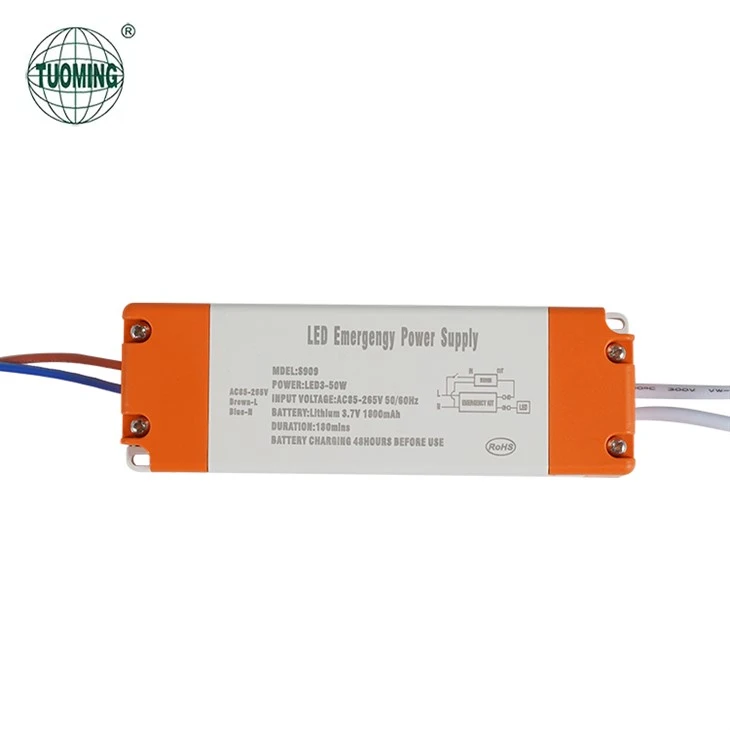
A load test involves connecting the power supply to a load that represents the actual emergency lights. This test checks if the power supply can handle the load and maintain the required voltage and current. If the power supply fails to meet the load requirements, it might not be compliant with the standards.
Documentation and Certification
Another important aspect of verifying compliance is checking the documentation and certification. A reputable supplier should provide documentation that shows the power supply has been tested and meets the relevant standards. This documentation might include test reports, certificates of compliance, and product specifications.
For example, if you're looking at an Emergency Light Power Supply, make sure it comes with a certificate from a recognized testing laboratory. This certificate is proof that the power supply has been tested and meets the required standards.
Regular Maintenance and Inspections
Compliance isn't a one-time thing. It requires regular maintenance and inspections to ensure that the emergency light power supply continues to meet the standards over time.
Maintenance
Regular maintenance includes tasks such as checking the battery, cleaning the lights, and inspecting the wiring. The battery should be replaced at regular intervals, as its capacity can degrade over time. Cleaning the lights ensures that they provide maximum illumination.
Inspections
Inspections should be carried out at least once a year by a qualified professional. The inspector will check the power supply, the lights, and the wiring to ensure everything is in working order. They will also perform tests to verify compliance with the standards.
Choosing the Right Supplier
When it comes to emergency light power supplies, choosing the right supplier is crucial. A good supplier will not only provide high-quality products but also offer support and guidance on compliance.
Look for a supplier that has a good reputation in the industry. Check their customer reviews and testimonials to see what other customers have to say about their products and services. A reliable supplier will also be able to provide you with the necessary documentation and certification to prove the compliance of their products.
For example, our Led Emergency Backup Driver is designed to meet the highest standards of quality and compliance. We have a team of experts who ensure that our products are thoroughly tested and certified before they are released to the market.
Contact for Purchase and Consultation
If you're in the market for an Emergency Backup Power Supply or have any questions about compliance, feel free to reach out to us. We're here to help you find the right solution for your needs. Whether you're a building owner, a contractor, or an electrician, we can provide you with the information and support you need to make an informed decision.
References
- National Fire Protection Association (NFPA) standards
- European EN standards
- Manufacturer's product specifications and test reports


