

When it comes to emergency backup power supplies, one of the most frequently asked questions is about their charging time. As a supplier of Emergency Backup Power Supply, I understand the importance of this aspect for our customers. In this blog, I will delve into the factors that influence the charging time of an emergency backup power supply and provide some insights to help you better understand this crucial feature.
Understanding the Basics of Emergency Backup Power Supply Charging
An emergency backup power supply is designed to provide power during unexpected outages. It stores energy in its batteries, which are then re - charged when the main power source is available. The charging time is the duration it takes for the power supply to fully replenish its battery from a depleted state.
The charging process is not a one - size - fits - all scenario. Different types of emergency backup power supplies have different charging times, and these times can vary based on several key factors.
Factors Affecting Charging Time
Battery Capacity
The capacity of the battery is one of the most significant factors influencing charging time. A larger battery capacity means more energy needs to be stored, and thus, it will take longer to charge. For example, a small Emergency Light Power Supply with a 12V, 7Ah battery will generally charge faster than a larger backup power supply with a 24V, 50Ah battery. The charging time is directly proportional to the battery's capacity.
Charging Current
The charging current is another crucial factor. A higher charging current can reduce the charging time. However, there are limits to how much current a battery can safely accept. Exceeding the recommended charging current can lead to overheating, reduced battery life, and even pose a safety risk. Most emergency backup power supplies come with a built - in charger that is designed to provide an optimal charging current for the specific battery type.
Battery Type
Different battery types have different charging characteristics. The most common battery types used in emergency backup power supplies are lead - acid batteries and lithium - ion batteries.
Lead - acid batteries are relatively inexpensive and have been used in backup power applications for a long time. They typically have a slower charging rate compared to lithium - ion batteries. Lithium - ion batteries, on the other hand, can charge more quickly and have a higher energy density. For instance, a Led Emergency Backup Driver using a lithium - ion battery may charge much faster than one using a lead - acid battery.
State of Discharge
The state of discharge of the battery also affects the charging time. If the battery is completely depleted, it will take longer to charge compared to a battery that is only partially discharged. This is because the initial stages of charging are often slower to prevent overheating and damage to the battery. As the battery approaches full charge, the charging rate may also slow down to ensure a safe and complete charge.
Calculating Charging Time
In theory, you can calculate the approximate charging time using the following formula:
[Charging\ Time\ (hours)=\frac{Battery\ Capacity\ (Ah)}{Charging\ Current\ (A)}]
However, this is a simplified calculation. In reality, there are losses during the charging process, such as heat loss and inefficiencies in the charger. So, the actual charging time is usually longer than the calculated value.
For example, if you have a battery with a capacity of 10Ah and a charging current of 1A, the calculated charging time would be 10 hours. But due to losses, it may take around 12 - 13 hours to fully charge the battery.
Typical Charging Times for Different Emergency Backup Power Supplies
Small Emergency Light Power Supplies
Small emergency light power supplies, such as those used for single - unit emergency lights, usually have relatively small battery capacities, often in the range of 1 - 7Ah. These power supplies can typically charge in 4 - 8 hours, depending on the battery type and the charging current.
Medium - Sized Backup Power Supplies
Medium - sized backup power supplies, which may be used for small offices or home appliances, have battery capacities ranging from 10 - 50Ah. Their charging times can range from 8 - 24 hours. For example, a 24V, 20Ah lead - acid battery backup power supply may take around 15 - 20 hours to fully charge.
Large - Scale Backup Power Supplies
Large - scale backup power supplies, used in industrial or commercial settings, can have battery capacities of 100Ah or more. These power supplies can take 24 hours or even longer to charge, especially if they are using lead - acid batteries.
Tips to Reduce Charging Time
Use a Higher - Quality Charger
A high - quality charger can provide a more efficient charging process. It can adjust the charging current according to the battery's state of charge, reducing the overall charging time. Make sure to choose a charger that is compatible with your emergency backup power supply.
Keep the Battery at the Right Temperature
Battery performance is affected by temperature. Charging the battery in an environment with a moderate temperature (around 20 - 25°C) can improve the charging efficiency and reduce the charging time. Extreme temperatures can slow down the charging process and even damage the battery.
Regular Maintenance
Regularly maintaining your emergency backup power supply can also help reduce charging time. This includes checking the battery's health, cleaning the terminals, and ensuring that the charger is working properly.
Conclusion
The charging time of an emergency backup power supply is influenced by multiple factors, including battery capacity, charging current, battery type, and state of discharge. Understanding these factors can help you choose the right emergency backup power supply for your needs and manage its charging process effectively.
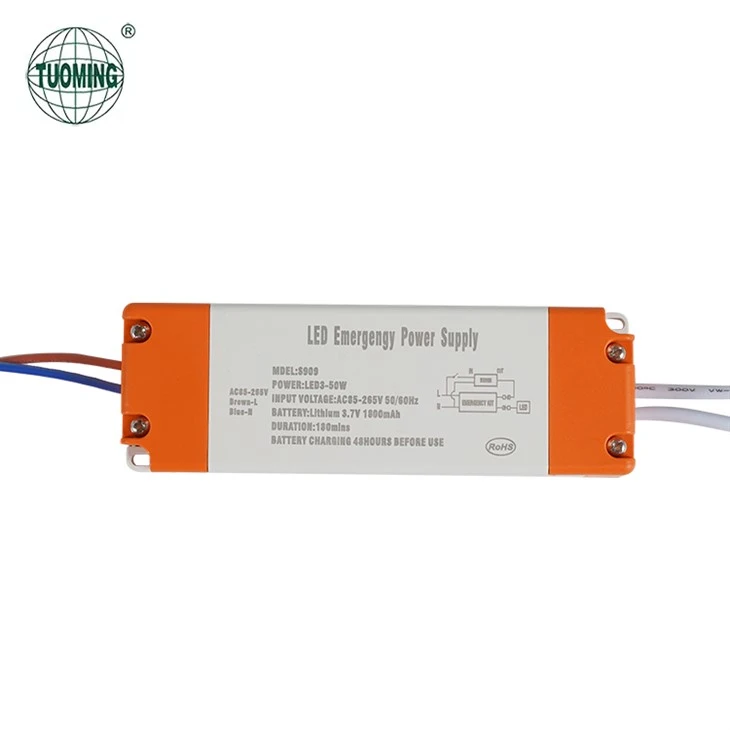
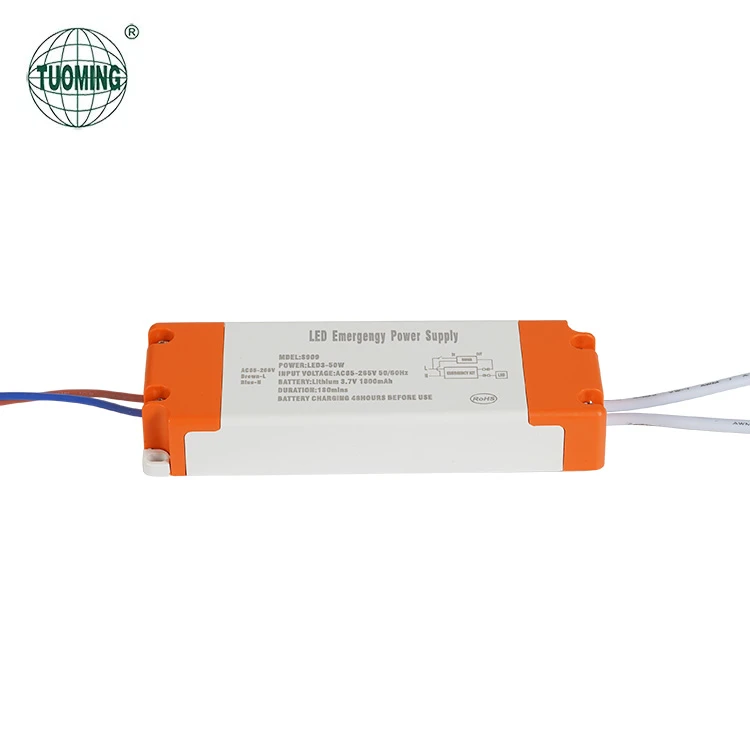
If you are in the market for an emergency backup power supply, we are here to help. Our team of experts can provide you with detailed information about the charging times and other features of our products. Whether you need a small Emergency Light Power Supply for your home or a large - scale backup power solution for your business, we have the right product for you. Contact us to start a discussion about your requirements and explore our range of emergency backup power supplies.
References
- Battery Technology Handbook: Covers general information about different battery types and their charging characteristics.
- Industry Standards for Emergency Backup Power Supplies: Provides guidelines on charging requirements and safety standards.


