

As an emergency downlight supplier, I've often been asked whether emergency downlights are suitable for use in museums. It's a question that combines aspects of safety, aesthetics, and functionality. Let's dive into this topic and see if these lights are a good fit for museum environments.
The Importance of Emergency Lighting in Museums
Museums are places filled with valuable artifacts, artworks, and historical items. They also attract a large number of visitors every day. In the event of a power outage or other emergencies, having proper emergency lighting is crucial. It ensures that people can safely navigate the museum, reducing the risk of accidents such as falls or collisions. Moreover, it helps protect the valuable exhibits from potential damage that could occur during a chaotic evacuation.
Advantages of Using Emergency Downlights in Museums
1. Space - Saving Design
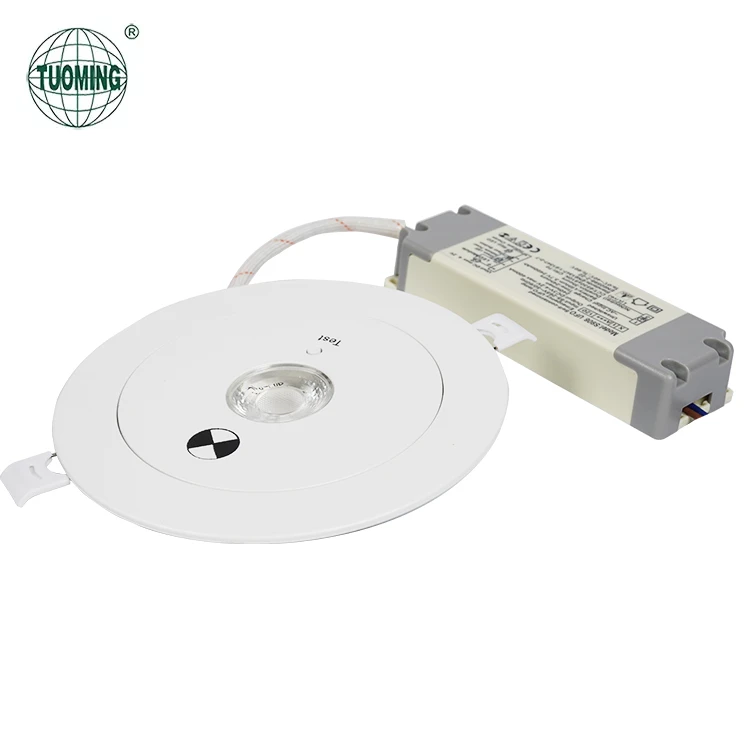
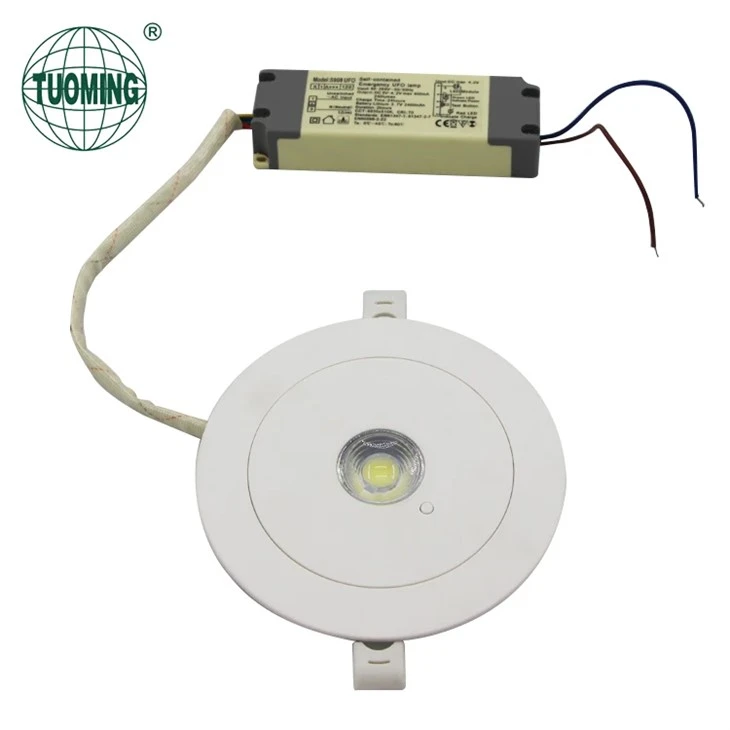
Emergency downlights typically have a recessed design, which means they are installed flush with the ceiling. This is a great advantage in museums where space is at a premium, especially in galleries with limited vertical space. The Recessed Emergency Downlight is a perfect example of this. Its recessed nature doesn't take up any extra room, allowing the museum to maintain a clean and uncluttered look.
2. Aesthetically Pleasing
These downlights can blend in seamlessly with the museum's interior design. They come in various styles and finishes, so you can choose the ones that match the overall aesthetic of the museum. Whether it's a modern, minimalist museum or a more traditional one, there are emergency downlights that can complement the decor. The Maintained Emergency Downlight offers a sleek and contemporary look that can enhance the visual appeal of the museum space.
3. Energy - Efficiency
Most modern emergency downlights use LED technology. LED lights are known for their energy - efficiency, which is a significant advantage for museums. They consume less power compared to traditional lighting sources, which can lead to cost savings in the long run. The Recessed Led Emergency Light is a prime example of an energy - efficient option. It provides bright and reliable lighting while keeping energy consumption low.
4. Uniform Lighting
Emergency downlights can provide uniform lighting across the museum space. This is important for both safety and the display of exhibits. Uniform lighting ensures that there are no dark spots where visitors might trip or where the details of the artifacts might be obscured. It also helps in creating a consistent and pleasant viewing experience for the visitors.
Potential Challenges
1. Light Sensitivity of Artifacts
Some museum artifacts are extremely light - sensitive. Prolonged exposure to certain types of light can cause damage to paintings, textiles, and other delicate items. While emergency downlights are designed to provide illumination in case of an emergency, their light output and spectrum need to be carefully considered. It's important to choose downlights with a light spectrum that is less likely to cause damage to the artifacts.
2. Maintenance and Testing
Emergency downlights need to be regularly maintained and tested to ensure they are in working condition. In a museum setting, this can be a challenge due to the large number of lights and the need to minimize disruption to the visitors. However, most modern emergency downlights are designed with easy - access features and self - diagnostic capabilities, which can make maintenance and testing more manageable.
3. Cost
The initial cost of installing emergency downlights can be relatively high, especially when considering a large museum with multiple galleries. However, as mentioned earlier, the long - term energy savings and the enhanced safety they provide can offset the initial investment.
Making the Right Choice
When considering whether to use emergency downlights in a museum, several factors need to be taken into account. First, consult with lighting experts and conservationists. They can provide valuable insights into the specific lighting requirements of the museum's artifacts. Second, consider the layout and design of the museum. Different areas of the museum may require different types of emergency lighting.
For example, in areas with high - value exhibits, you might need more advanced emergency downlights with features such as adjustable light intensity and color temperature. In corridors and common areas, more basic models may be sufficient.
Conclusion
In conclusion, emergency downlights can be a suitable option for museums. They offer numerous advantages in terms of space - saving, aesthetics, energy - efficiency, and uniform lighting. However, it's important to address the potential challenges such as light sensitivity of artifacts, maintenance, and cost.
If you're a museum curator, manager, or someone involved in the planning and operation of a museum, and you're considering installing emergency downlights, I'd love to have a chat with you. We can discuss your specific needs, the different options available, and how we can provide the best emergency lighting solution for your museum. Feel free to reach out, and let's work together to ensure the safety and functionality of your museum.
References
- Museum Lighting Guidelines, International Council of Museums (ICOM)
- Lighting for Cultural Heritage, Getty Conservation Institute


